

Festive Lights Details Off-Grid Illumination Trends for Summer Weddings and DIY Garden Events
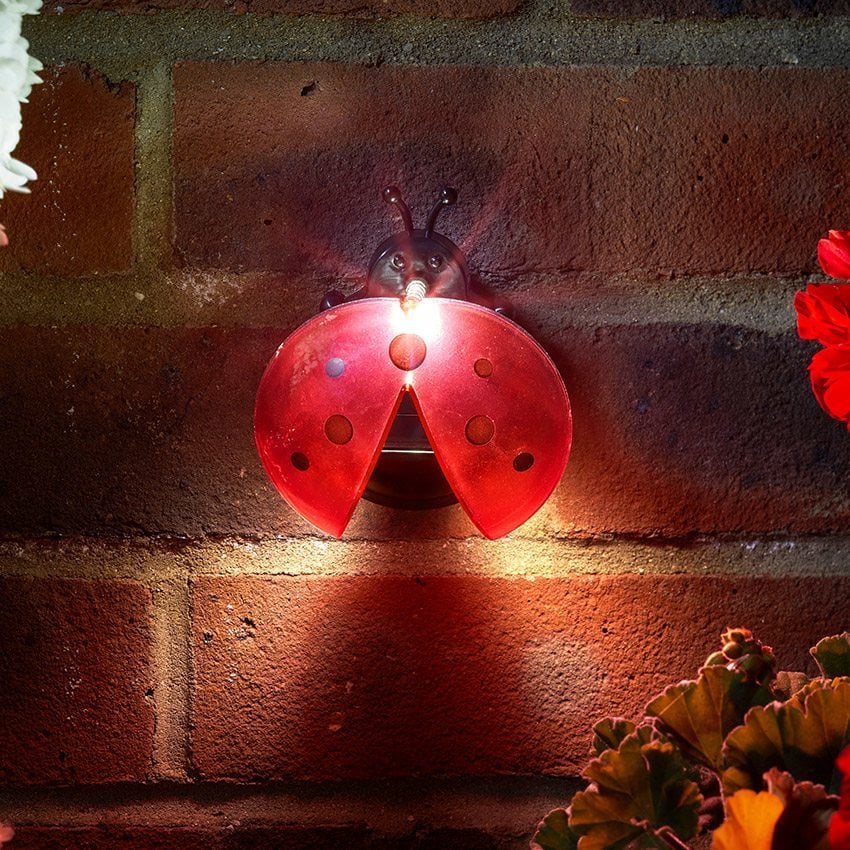
Ladybird solar wall light glowing on brick wall at night
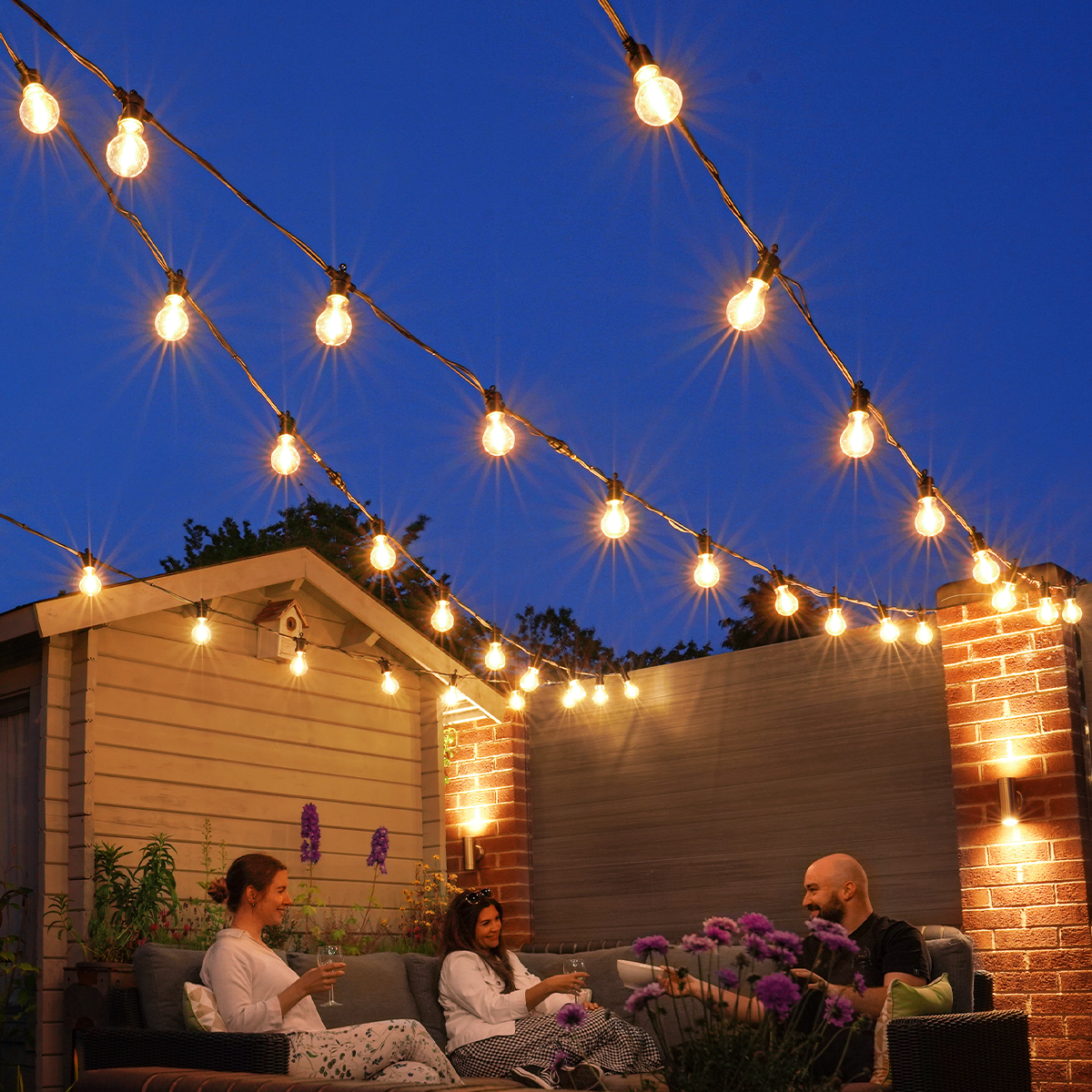
Friends relaxing under warm outdoor string lights in a cozy backyard at night.
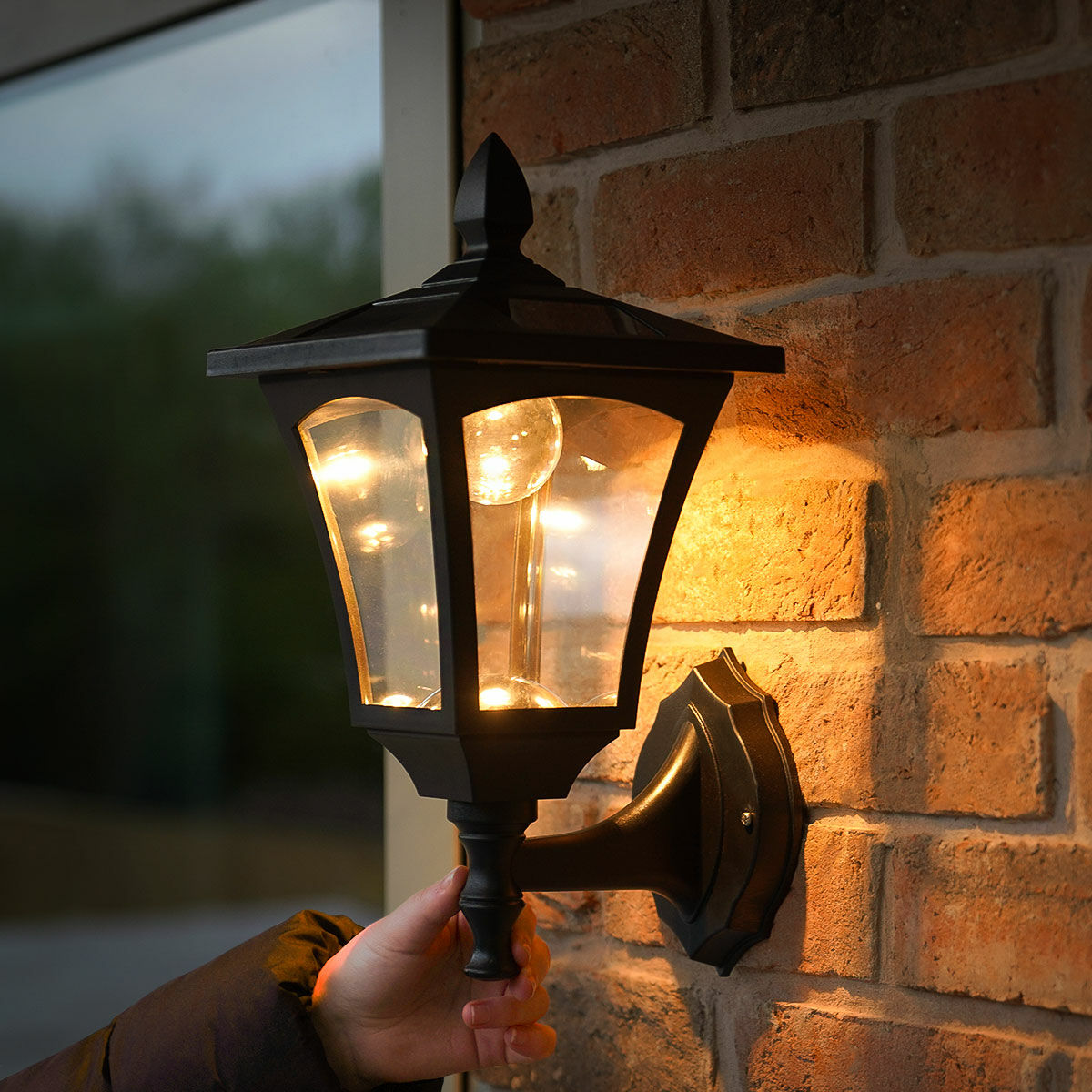
Wall-mounted outdoor lantern glowing on a brick house exterior at dusk.
Festive Lights details key trends in off-grid solar and battery lighting for DIY summer weddings, focusing on safe daisy-chaining and weatherproofing.
CHORLEY, UNITED KINGDOM, July 20, 2026 /EINPresswire.com/ -- Festive Lights, a United Kingdom-based supplier of domestic and commercial decorative lighting, today released an overview of current consumer trends and technical advancements in off-grid illumination for summer outdoor events. The data released by the company details the rapid adoption of solar and battery-powered lighting infrastructure, the engineering principles behind safe daisy-chain configurations, and the material requirements for weatherproofing temporary installations. This information provides a factual assessment of how modern low-voltage systems are altering the logistical requirements of temporary outdoor venues, such as residential gardens and independent marquees, by removing the strict necessity for localized mains power and heavy generator equipment. The release highlights the mechanisms driving consumers toward do-it-yourself (DIY) event styling for weddings, anniversaries, and community celebrations, focusing on the intersection of budgetary constraints and advanced lighting technology.Over the past three years, the event planning sector has observed a measurable shift in consumer behavior regarding venue selection and event production. Economic factors, including inflation and the rising costs associated with booking traditional commercial venues, have prompted a substantial increase in residential and off-grid celebrations. Individuals organizing large-scale summer gatherings are increasingly utilizing private gardens, agricultural land, and independent rural spaces. Consequently, the reliance on temporary structures such as marquees, sailcloth tents, and tipis has expanded significantly across the United Kingdom and Europe. A critical component of this transition involves event styling and infrastructure, particularly illumination. Lighting dictates both the aesthetic environment and the functional safety of an outdoor space after dusk. Data indicates that decorative lighting is the primary mechanism through which event organizers achieve professional-grade environmental styling on restricted, self-managed budgets.
Historically, illuminating an outdoor space isolated from standard electrical grids required significant infrastructure. Organizers were dependent on the deployment of diesel or petrol generators, extensive heavy-duty cabling, and professional electrical technicians to manage load distribution and ensure safety compliance. The introduction of high-efficiency, low-voltage Light Emitting Diode (LED) technology has fundamentally changed these operational requirements. By requiring a fraction of the wattage demanded by traditional incandescent bulbs, modern LED arrays can be effectively powered by localized, self-contained energy sources. This shift allows individuals without formal technical training to design and implement complex lighting arrangements.
A substantial portion of the current industry transition relies on the technical progression of battery and solar technologies. Off-grid lighting options have developed from low-yield, short-duration units into robust systems capable of sustaining high-lumen outputs for extended periods. Modern battery-operated event lights predominantly utilize advanced lithium-ion cells, which offer high energy density and consistent voltage discharge. This chemical stability ensures that lighting installations do not dim progressively as the battery depletes, but rather maintain a steady luminosity until the energy reserve is fully exhausted, a crucial factor for events lasting late into the evening.
Solar-powered decorative options have seen parallel advancements, making them a viable option for critical event lighting rather than mere supplementary decoration. The integration of highly sensitive monocrystalline photovoltaic panels into consumer-grade lighting systems allows for efficient energy harvesting, even during the overcast conditions that frequently characterize unpredictable summer weather. Furthermore, the inclusion of intelligent dusk-to-dawn photosensors automates the illumination process. These sensors monitor ambient light levels and activate the lighting arrays only when environmental light drops below a specific, pre-programmed threshold. This automated energy management preserves stored battery life and eliminates the need for manual operation during a wedding reception or garden party.
"The primary obstacle to off-grid event execution has historically been power distribution and accessibility," stated Stephen Alty, General Manager at Festive Lights. "The current generation of high-capacity storage cells and sensitive photovoltaic receptors means that organizers no longer have to compromise on luminosity, scale, or duration when planning events away from primary electrical infrastructure. The technology now supports reliable, professional-level environmental styling using entirely independent, self-contained power nodes."
Beyond power generation, the mechanics and safety standards of daisy-chaining multiple lighting sets represent a critical area of development for DIY event planners. Daisy-chaining, defined as the end-to-end connection of sequential lighting strings, is essential for large-scale outdoor events where extensive garden perimeters, expansive marquee ceilings, and multiple arbor structures require unified, synchronized illumination. In standard high-voltage setups, creating long, continuous chains presents significant risks of circuit overloading, localized overheating, and potential fire hazards. However, the contemporary DIY market relies heavily on low-voltage connectable systems equipped with specialized transformers and dedicated, weather-sealed connectors.
The engineering principles governing modern festoon and fairy lights allow them to be interconnected safely over vast distances. Manufacturers utilize proprietary coaxial connectors and T-junction splitters that maintain a secure, watertight seal while ensuring even voltage distribution across hundreds of individual diodes. A primary consideration in these expansive setups is the prevention of voltage drop—a physical phenomenon where lights at the end of a long electrical chain appear noticeably dimmer than those near the power source due to the natural resistance of the wire. By utilizing thicker gauge copper wiring and strategic circuit design, modern connectable systems can illuminate vast expanses of outdoor terrain, covering hundreds of meters, without a single connection to a localized main power grid.
"Ensuring consistent power delivery across a widespread installation requires precise engineering, particularly when utilizing low-voltage sources," noted a senior product developer at Festive Lights. "The integration of low-resistance wiring and secure coaxial connections allows consumers to build highly customized, expansive lighting networks. This modular approach provides the flexibility needed to illuminate complex temporary structures like multi-pole marquees without risking voltage drop or circuit failure."
Safety and environmental resilience form another core component of successful outdoor event planning. When coordinating summer events, lighting equipment is inevitably exposed to environmental variables, including sudden rain showers, high humidity, ultraviolet (UV) radiation, and fluctuating diurnal temperatures. Industry standards strongly advise against the utilization of indoor-rated lighting for exterior events, citing severe risks of electrical short circuits, material degradation, and potential fire hazards. Consumers must rely on Ingress Protection (IP) ratings, the international standard used to define levels of sealing effectiveness of electrical enclosures against intrusion from foreign bodies and moisture.
For summer outdoor events, equipment carrying an IP44 rating is generally considered the absolute minimum standard, providing protection against solid objects larger than one millimeter and water splashed from all directions. However, for continuous outdoor exposure, professional-grade safety, and locations prone to heavy rainfall, IP65-rated fixtures are standard. Systems bearing an IP65 designation are entirely dust-tight and protected against low-pressure water jets, ensuring operational integrity even during severe summer storms. The construction of these weatherproof systems typically involves heavy-duty, UV-resistant rubber or polyurethane cabling, individually sealed bulb sockets, and hermetically isolated battery compartments or transformers.
To further mitigate weather-related risks, the utilization of weatherproof connection boxes has become standard practice in DIY outdoor installations. Products such as the DRiBOX, a specialized enclosure designed to house electrical connections outdoors, provide an additional layer of defense against moisture ingress. These enclosures ensure that multi-way extension leads, timers, and transformers remain completely dry, preventing ground faults and power interruptions that could abruptly halt an evening celebration.
"Consumers attempting DIY event styling must prioritize ingress protection ratings and secure connections above basic aesthetic considerations," stated the Festive Lights product development team. "The structural integrity of heavy-duty rubberized cables and the use of dedicated weatherproof junction boxes prevent the ingress of moisture that causes catastrophic failure in substandard equipment. Utilizing properly rated, highly durable systems ensures that an unexpected weather event does not result in an electrical hazard or a complete loss of site illumination."
The economic implications of these technological shifts strongly favor the DIY approach to event styling. Financial modeling indicates that purchasing modular, off-grid lighting systems for an independent wedding or large garden party is frequently more cost-effective than the cumulative expenses associated with traditional generator rentals, ongoing fuel consumption, and the hourly rates of professional rigging labor. Furthermore, because connectable and off-grid systems are inherently modular and built for durability, they retain significant post-event utility. Consumers frequently repurpose festoon lines, solar stakes, and battery-operated microlights for permanent residential garden design or subsequent seasonal gatherings. This translates the initial purchase into a long-term household investment rather than a single-use, unrecoverable expenditure.
From an environmental perspective, the transition toward solar arrays and rechargeable battery networks significantly reduces the localized carbon footprint of outdoor celebrations. Traditional diesel generators produce substantial acoustic pollution and greenhouse gas emissions, both of which detract from the natural ambiance of rural, woodland, or residential garden settings. The adoption of localized, silent, emission-free lighting grids aligns directly with broader consumer trends prioritizing sustainable and ecologically responsible event planning. The availability of advanced solar and low-voltage lighting solutions has facilitated a measurable decrease in fossil fuel dependency within the independent, non-commercial event styling sector.
To provide additional context regarding the evolution of DIY event infrastructure, it is necessary to examine the physical materials used in lighting manufacturing. The industry-wide transition from large, fragile glass incandescent bulbs to shatterproof polycarbonate LED housings has been critical for the viability of amateur installations. Early iterations of outdoor festoon lighting required careful handling to prevent glass breakage and filament damage during transport, suspension, and dismantling. The current manufacturing standard of shatter-resistant acrylic and polycarbonate enclosures allows individuals without specialized protective equipment to confidently install, transport, and store lighting arrays without experiencing high breakage rates. This material durability directly supports the rental and reuse markets, further driving the accessibility of high-quality event styling.
Market projections indicate continued expansion in the outdoor event accessories sector through the end of the current decade. As remote work and domestic investments continue to alter how individuals interact with their residential spaces, the boundary between domestic landscaping and professional event hosting has permanently blurred. The demand for commercial-grade, aesthetically versatile lighting that can operate entirely independently of a home’s central electrical panel is forecast to grow annually. Future developments in the sector are expected to focus heavily on increased integration with smart-home protocols. The introduction of Bluetooth-enabled controllers and localized mesh-network systems will allow DIY event organizers to manage complex off-grid lighting arrays, adjust dimming schedules, and monitor battery levels directly from mobile devices, further enhancing the precision and capabilities of non-professional event planners.
By adhering to established safety protocols, verifying IP certifications, and utilizing low-voltage connectable systems, individuals can successfully execute safe, visually impactful, and financially responsible events in virtually any outdoor location. The ongoing advancements in battery and solar technology continue to remove historical barriers, allowing for sophisticated environmental design irrespective of access to traditional power infrastructure.
About Festive Lights
Festive Lights is a United Kingdom-based supplier of exterior and interior decorative lighting, focusing on the distribution of connectable LED string and festoon systems, solar-powered fixtures, battery-operated lighting and motion-sensor units for residential and commercial use. The company's product range is manufactured to defined weatherproofing standards and is supplied to both consumers and professional installers. Established for over two decades and based in Charnock Richard, Chorley, the organisation maintains an emphasis on product durability, weatherproofing certification and accessible installation.
Jana Dalton
Festive Lights
1257792111 ext.
email us here
Visit us on social media:
LinkedIn
Instagram
Facebook
YouTube
TikTok
X
Other
Legal Disclaimer:
EIN Presswire provides this news content "as is" without warranty of any kind. We do not accept any responsibility or liability for the accuracy, content, images, videos, licenses, completeness, legality, or reliability of the information contained in this article. If you have any complaints or copyright issues related to this article, kindly contact the author above.
